The biology of healing,
one spoonful at a time.
From antimicrobial mechanism to clinical practice — we distil the science, strip the marketing, and ask what a spoonful of Mānuka honey actually does inside your body.
§ 03Health topics
Index of topics →Digestive Support
Laboratory activity against H. pylori and prebiotic plausibility; clinical trials for digestive use are limited and not Manuka-specific.
Energy & Training
Honey performs well as a glycogen-resynthesis vehicle and endurance fuel; the evidence is mostly for honey generally rather than Manuka specifically.
Immune Support
Honey can ease cold and cough symptoms; mechanistic effects on immune cells exist in lab studies but have not been shown to prevent illness.
MRSA
Topical activity against MRSA in laboratory and clinical wound settings; not an oral or systemic treatment.
Oral Health
Clinical and laboratory evidence for reductions in plaque and gingivitis; not a replacement for brushing or dental care.
Skin & Wound Care
Strongest applied evidence base for Manuka honey; medical-grade products are used clinically (evidence quality mixed), food-grade is not a wound dressing.
Sleep & Recovery
Plausible glycogen-loading mechanism for a teaspoon before bed; clinical sleep evidence specific to Manuka honey is limited.
Sore Throat
Antibacterial and anti-inflammatory action on pharyngeal tissue; supports recovery from acute tonsillitis.
Stress & Mood
Phenolic compounds and animal-model anxiolytic signals; no human clinical trials. Treat as plausible but unproven.
What is Mānuka, really?
From Leptospermum scoparium blossom to jar — the botany, geography, and biochemistry of New Zealand's most studied honey.
UMF, MGO, and the rest
A decoder ring for the grading systems, certifications, and lab assays that separate real potency from marketing noise.
How to actually use it
Dosage, timing, delivery methods, and the clinical evidence behind each — from a morning spoonful to wound dressing.
§ NewRecently published
All articles →
How to Store Manuka Honey to Protect Its Quality Over Time

What UMF Actually Measures on a Manuka Honey Label
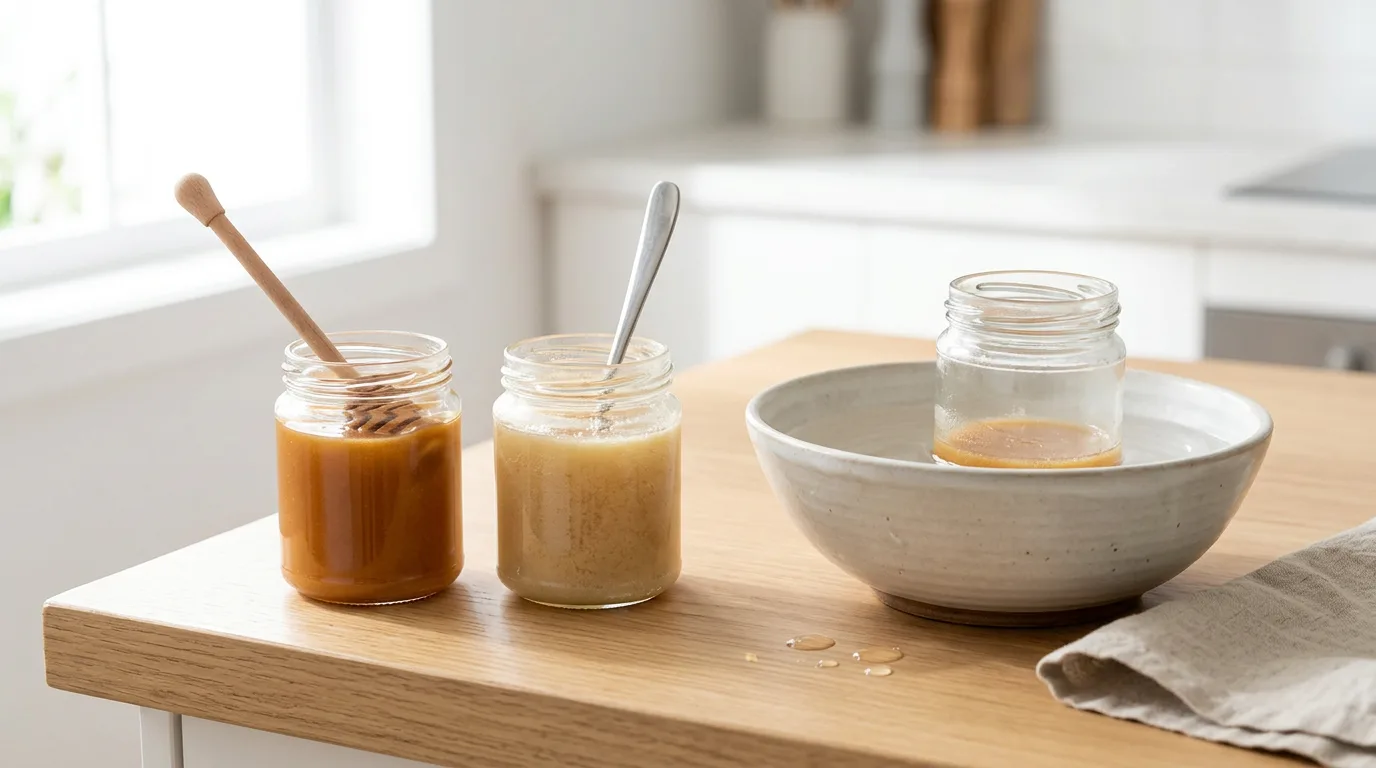
Why Manuka Honey Crystallises and What to Do About It

Manuka Honey vs Regular Honey: What You're Actually Paying For
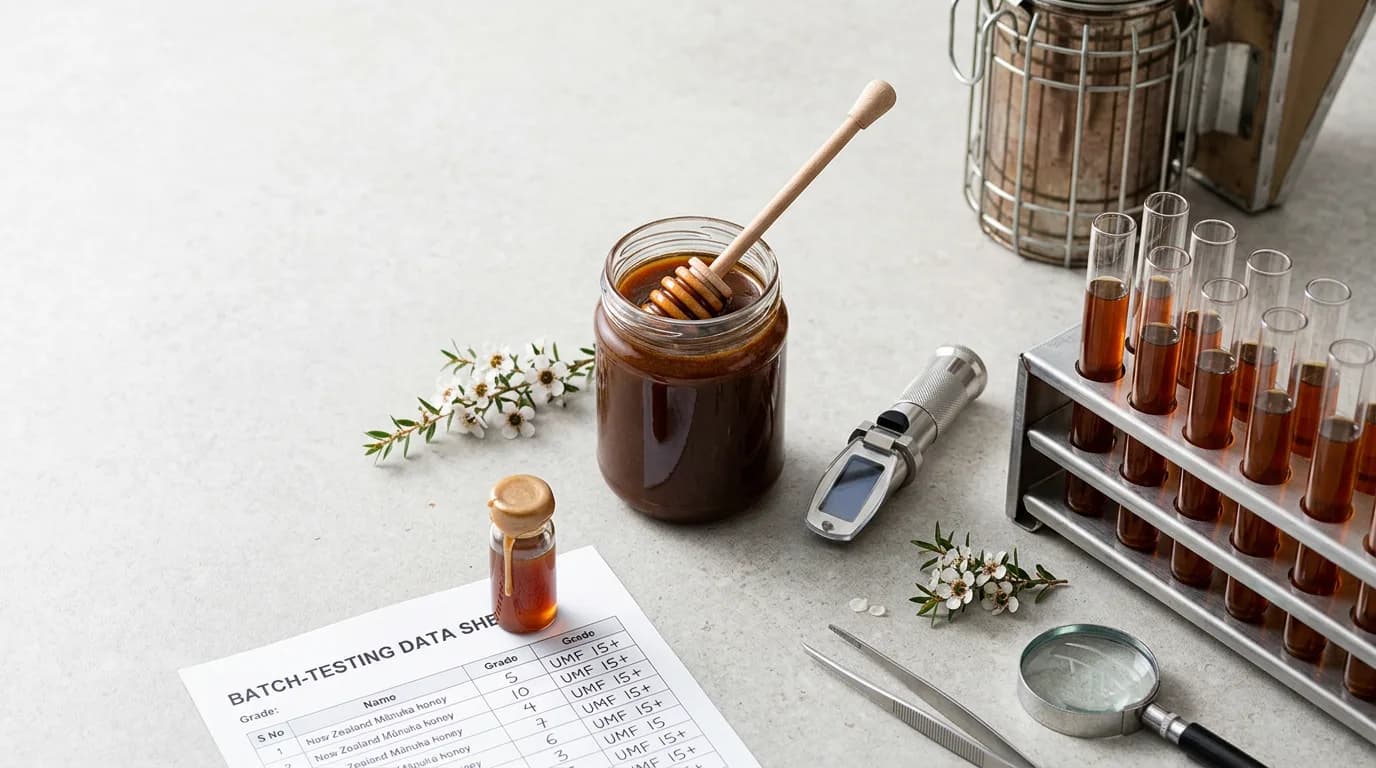
Why Manuka Honey Costs What It Does: Harvest, Grading, and Testing
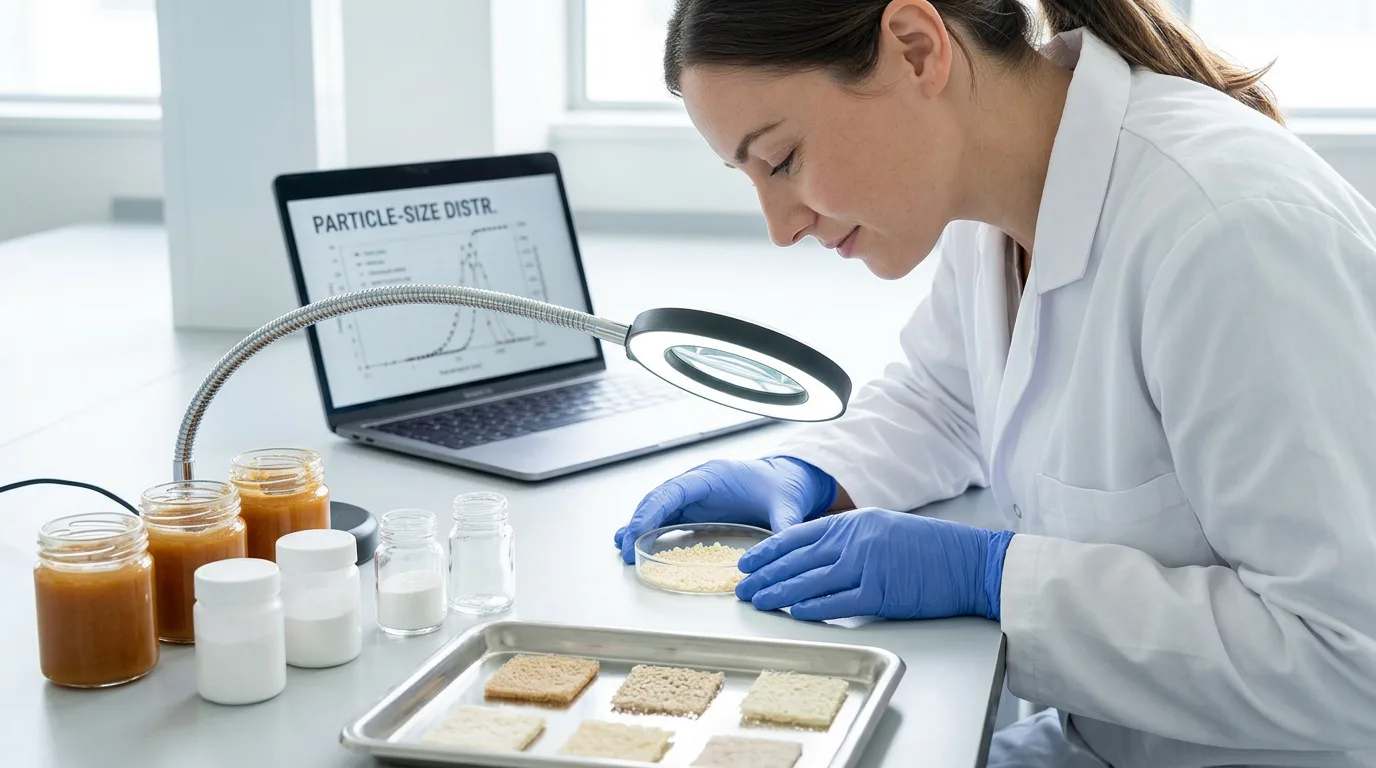
Beyond the Jar: New Manuka Honey Powders and Dressings on the Horizon
The signature compounds.
| Compound | Description | Typical range | Articles |
|---|---|---|---|
Dihydroxyacetone(DHA) | MGO precursor present in fresh Manuka nectar; converts to methylglyoxal during ripening, predicting future potency. | 200–2,200 mg/kg | 4 |
| Heat and storage marker; rises with temperature and time. UMF certification caps HMF below 40 mg/kg. | <40 mg/kg | 2 | |
| Authenticity marker found only in Leptospermum scoparium nectar; required for UMF certification and MPI export classification. | 100–800 mg/kg | 8 | |
Methylglyoxal(MGO) | Primary antibacterial marker; responsible for non-peroxide activity unique to Manuka honey. | 83–1,450 mg/kg | 24 |
Grades, matched to use.
Grades are defined by methylglyoxal (MGO) concentration — the compound behind Manuka honey’s antibacterial activity — with UMF certification confirming authenticity. Higher isn’t always better; the right grade depends on your intended use.